

*This article may have affiliate links, which means we may receive commissions if you choose to purchase through links we provide (at no extra cost to you). For more details, please read our privacy policy/affiliate disclosure. Thank you for supporting the work we put into this blog!
- What does this regimen mean?
- How many hours each day do you fast, and when and what can you eat?
- What are the rules around what you can drink?
- Is the popular drink Crystal Light “allowed” when you’re fasting, or is drinking only water your only option?
What Exactly Is An Intermittent Fasting Regimen?
Intermittent fasting simply refers to periods during which you consume nothing but liquids, mostly water, and periods during which you eat small portions of healthy foods. One of the reasons IF is so popular these days is that it isn’t complicated to follow, and there are no special foods to buy. If you eat reasonable portions of sensible, healthy foods, you’ll lose weight, and it won’t take ages and ages to do it. One of the keys to success with IF is setting realistic goals and getting lots of exercises. Like any weight loss program, IF works best when you stay active and burn more calories by doing lots of cardiovascular workouts and resistance training. In addition to weight loss, some folks believe intermittent fasting brings other physical benefits. These include sharper focus and brain power, increased longevity, and the reduction of inflammation in joints and other areas of the body. However, the science behind these benefits is still in its infancy. But there is no arguing with the effectiveness of intermittent fasting when it comes to dropping pounds. People who decide to try intermittent fasting usually begin on a cycle of 16 hours of fasting followed by eight hours of eating healthy foods. How you choose to do it depends on your schedule – your working hours and when you go to bed. These factors should play a role in when you fast. But many people who subscribe to IF as a weight loss program find it easiest to stop eating after dinner, around 8 p.m., and resume around lunchtime the next day. You may also want to try fasting for an entire 24-hour period once or perhaps twice a week. This means that after breakfast one day, you consume no food until breakfast the following day. This approach takes discipline and isn’t right for everyone. Following the 16/8 hour cycle will spur weight loss and works well for most people. After a few weeks of IF, try a 24-hour fast if you’re adapting well and easily to missing meals. Many articles online can guide you when deciding how many hours of fasting suit your lifestyle. Do some research, and you’ll soon discover there is a ton of information available about this popular way of shedding excess weight. No matter how you set up your IF regimen, what really counts is that you stick to it closely. Like all “get fit” programs, the key here is consistency. Adhering to the fasting/eating cycle, you decide how you’ll lose weight and keep it off.What Can You Drink When Fasting?
It’s vital that you keep yourself well-hydrated when you’re fasting. That means you must consume lots and lots of water throughout the day. But are you “allowed” to drink other fluids? You are, but only certain drinks are okay. It may come as a surprise to learn that even calorie-free sodas can mess with your blood sugar levels. Experts recommend staying away from these drinks. (And also, many of them contain quite a bit of sodium, which contributes to bloating and may impede weight loss.) During your fast, you can consume water, black tea or coffee. These drinks don’t break a fast. And there is another drink that’s permissible – Crystal Light. Four of its flavours are allowed during intermittent fasts. Those flavours are:- Wild strawberry.
- Lite peach tea.
- Pure lemonade.
- Pink lemonade.
What To Eat On an IF Cycle?
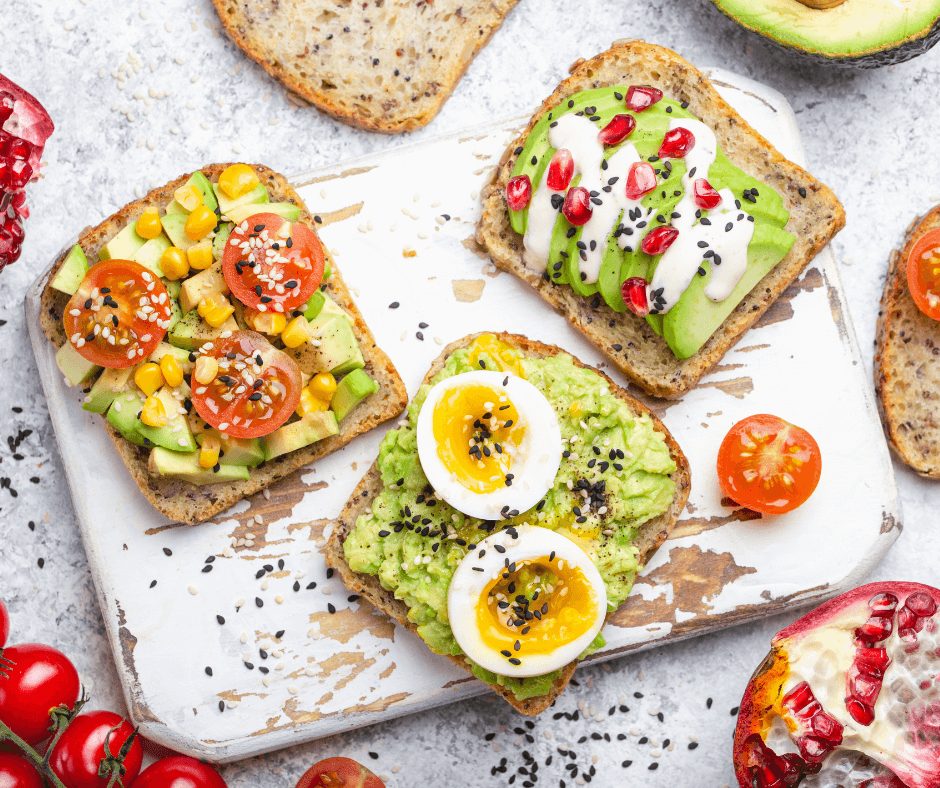 Now that you know that drinking certain Crystal Light varieties is fine during a fast, you might be wondering what kind of meal plan you should follow during the eight hours of eating.
We have some ideas for you on that score!
We did some digging, and Here’s What The Nutritional Experts Suggest:
Anyone undertaking IF should avoid processed and/or fatty foods, fast foods, and sugary desserts. IF adherents suggest that sticking to fresh fruits and vegetables, along with lean meats, chicken and fish, is necessary for losing weight. Some snacks, like nuts and seeds, are fine, provided you consume them only during your eating cycle.
Smoothies made of fruit or green veggies are also a good idea, but just because they aren’t solid foods, in the strict sense of the term, doesn’t mean you can consume them during the fasting portion of your day. They have calories; therefore, they must only be consumed during the food intake window of each 24-hour cycle.
Consider having a smoothie at lunch alongside two scrambled eggs, a slice of whole grain toast, and an avocado – a nutritional wallop that’s delicious, and the protein will keep you going until dinner. Here are the foods recommended by IF experts:
Now that you know that drinking certain Crystal Light varieties is fine during a fast, you might be wondering what kind of meal plan you should follow during the eight hours of eating.
We have some ideas for you on that score!
We did some digging, and Here’s What The Nutritional Experts Suggest:
Anyone undertaking IF should avoid processed and/or fatty foods, fast foods, and sugary desserts. IF adherents suggest that sticking to fresh fruits and vegetables, along with lean meats, chicken and fish, is necessary for losing weight. Some snacks, like nuts and seeds, are fine, provided you consume them only during your eating cycle.
Smoothies made of fruit or green veggies are also a good idea, but just because they aren’t solid foods, in the strict sense of the term, doesn’t mean you can consume them during the fasting portion of your day. They have calories; therefore, they must only be consumed during the food intake window of each 24-hour cycle.
Consider having a smoothie at lunch alongside two scrambled eggs, a slice of whole grain toast, and an avocado – a nutritional wallop that’s delicious, and the protein will keep you going until dinner. Here are the foods recommended by IF experts:
- Fruits, such as peaches, bananas, berries of all sorts, apples, and others.
- Proteins, including fish, chicken, lean meat and soy products.
- Vegetables of all types, including broccoli, onions, and leafy green veggies, are all okay for you to consume.
- Healthy fats, such as salmon, mackerel, avocados, and olive oil.
- Whole grains, including rice, quinoa, pasta and bread.

