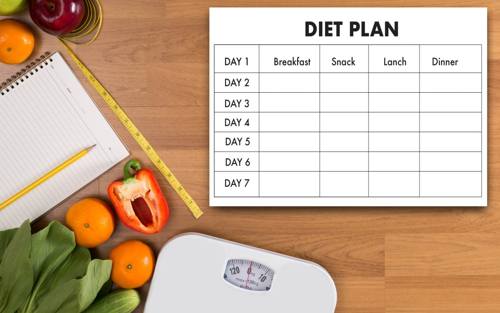
With tons of dietary plans you can find everywhere and too many different options, How do you know which approach might work for you?
In this article, Types of Diets-Best Diet to Lose Weight, we are going to talk briefly about almost all types of dietary plans. So whatever you are looking for is an easy-following dietary plan; Best fast weight-loss diet.
Also, if you hate the idea of a restrictive dietary plan, are hypertensive, or have a family history of high blood pressure, or diabetes. Need a brain-healthy diet or need to reverse your heart disease
You are going to find your matching dietary program in this article!
We are going to put all the types into three categories, and then from each one, we are going to make a list of the different kinds of diets.
1. Mediterranean Diet 2. DASH Diet (tie) 2. Flexitarian Diet 2. Volumetrics 5. Ornish diet 6. Vegan diet 7. WW diet
1. Mediterranean Diet (tie) 2. Ornish Diet (tie) 3. DASH Diet 4. MIND Diet (tie) 5. TLC Diet (tie) 6. Vegan Diet (tie) 7. Flexitarian Diet (tie) 8. Nordic diets
The Mediterranean diet got the top ranking number 1 in U.S. News’ list as best Diets Overall, best Heart-Healthy Diets, Best Diabetes Diets, and easiest Diets to follow.
A traditional Mediterranean diet is consisting of large quantities of fresh fruits and vegetables, nuts, fish, olive oil, avocado, and whole grain. And coupled with physical activity that is strongly required on the Mediterranean diet. Still, it doesn’t have to feel like exercise.
Walking, gardening, or dancing, you can do anything you can stick with; persistence is the key!
But, for average adult ages (35–55 years old), it is a bit different. They are generally encouraged to get at least two and a half hours of moderate activity each week. Along with a couple of days of muscle-strengthening activities like lifting a weight, cycling and hill walking.
In this diet, hunger shouldn’t be a problem. Fibre and healthy fats are filling, and you will be eating lots of fibre products and whole grains, also cooking with satiating fats like olive oil will give you the satiety feeling.
At the time that some people fear that eating a diet like the Mediterranean diet that is relatively rich in fats (olive oil, olives, avocado, and some cheese) will keep them fat. There are lots of research suggesting the opposite is true.
Of course, it depends on which aspects you adopt and how it compares to your current diet.
If, for example, you are eating fewer calories than your daily recommended max or burning off extra by exercising, you should lose some pounds. How quickly and for how long you keep them off is up to your consistency.
1- Protecting against type 2 diabetes. A Mediterranean diet is rich in fibre, which digests slowly, prevents the high swings in blood sugar. It also can help you maintain a healthy weight.
2- Preventing heart disease and strokes: Studies of populations eating a traditional Mediterranean diet have shown they experience less coronary heart disease, low levels of LDL (bad) cholesterol, and high levels of protective HDL (good cholesterol).
3- Reducing the risk of Alzheimer’s: Research suggests that the Mediterranean diet may improve cholesterol, blood sugar levels, and overall blood vessel health. Which, in turn, may reduce your risk of Alzheimer’s disease or dementia.
4- Halving the risk of Parkinson’s disease. The high levels of antioxidants in the Mediterranean diet can prevent cells from undergoing a damaging process called oxidative stress. Thereby cutting the risk of Parkinson’s disease in half.
5- Keeping you agile: If you’re an older adult, the nutrients gained with a Mediterranean diet may reduce your risk of developing muscle weakness and other signs of frailty by about 70 percent.
1- Using olive oil instead of other oils/ fats for cooking and dressing salads and cooked vegetables. 2- Consuming vegetables with every meal (including leafy greens and tomatoes). 3- Consuming 2–3 serves of fresh fruit per day. 4- Consuming legumes (cooked dried beans) 3 times per week (in salads, soups, casseroles, veggie burgers, falafel). 5- Having 2–3 serves of fish or seafood per week (at least one oily fish such as salmon or sardines). 6- Eating at least 3 serves of nuts per week (include walnuts and almonds). 7- Choosing white meat (poultry without skin or rabbit) instead of fatty processed meats (sausages, burgers) and keep red meat portions small and lean. 8- Choosing natural (unsweetened) yogurt as a snack on most days. 9- Cooking regularly (at least twice a week) with tomato, garlic and onion, and aromatic/culinary herbs as a base for pasta sauces, casseroles and baked dishes.
1- Cream, butter, margarine 2- Processed meats (sausages, salami), fatty meats and poultry skin, deep-fried battered foods 3- Carbonated and sugared beverages 4- Pastries, cakes, sweet biscuits and lollies 5- Processed savoury snacks (potato chips, savoury biscuits)
The plenty of Mediterranean diet benefits are documented and proved with many studies, and you can enjoy them as well with a few simple changes to how to look at food and how you make smart food choices!
The DASH diet is a straightforward eating plan. By focusing more on fruits and veggies, choose whole grains over refined, include calcium-rich dairy items, and eat modest amounts of lean meat and fish.
So by including plenty of healthy whole foods each day, you naturally eliminate some of the not-so-great foods (like added sugars and unhealthy fats).
Along with minimizing the consumption of salt, smoked, red meat, sweets, sugary drinks, and caffeine, All together makes it highly recommended by the American heart association. So if you have elevated blood pressure, the DASH diet is for you.
Lots of diets often tell us what we can’t eat: Cut the sugar, cut oil, cut dairy, cut carbs or, cut red meat. If you’ve tried one of those approaches to “healthy” eating, so you likely know that it’s hard to keep it up.
Also, restrictive diets can complicate our relationships with food and let you have the feeling of hating diet if you have that feeling, so DASH is your perfect choice!
In addition to helping lower your cholesterol and blood pressure. DASH is also said to be useful when it comes to improving your overall mood. Some research had done in 2017 targeted DASH to help with the treatment of depression.
Higher fibre can also reduce bowel cancer risk, so it’s not just the benefit of reducing your cholesterol levels. Also, there is lots of evidence that suggests DASH helps manage diabetes and improve kidney health.
Breakfast: Low-fat yogurt, oatmeal, fruit juice, and wholemeal muffins.
Lunch: Vegetable soup, salads, fruit and wholemeal sandwiches.
Dinner: Green vegetables, grilled or roasted lean meat, baked potatoes, salads, and fruit with yogurt.
So, this is a diet where you can do your best and see results quickly rather than worrying about following it perfectly!
About 11 years ago, the term “flexitarian” entered the nutritional discussion. Was calling for reducing meat intake to three or more days a week. So, the idea is: Act like a vegetarian, but not all of the time.
1- Good weight management.
2- Better metabolic health.
3- Helping to decrease high blood pressure.
4- Minimizing the risk of type 2 diabetes.
Apart from health, there are many reasons why people choose to cut down their meat intake or to not eat meat at all, from concerns about animal care, the environment, cost, or world hunger.
So whether you want to boost your health, ease pressure on the planet or conserve resources to feed the world, consider becoming a flexitarian should be your next step!
There are lots of websites that can help you to incorporate into a routine of being a flexitarian like Meat Free Monday and others; you can enjoy lots of great recipes on those websites.
• Beans: kidney, white, pinto, black
• Peas: chickpeas, split peas
• Lentils
• Soy: beans, edamame, tempeh, tofu
• Egg
• Milk, cheese, yogurt
• Nuts and nut butter: peanut, almond, cashew, walnut
• Seeds and seed butter: tahini, sunflower, pumpkin, flax
With being a flexitarian, you get the health benefits of being vegetarian, while still being able to enjoy a meat meal when out or travelling.
Adding to that, you will end up saving both time and money because most plant-based foods are easier and cheaper to cook than meat-based meals.
It’s been ranked by U.S. News as the Number 4 easiest diet to follow. It’s easy to see why because the focus is on increasing the intake of brain-healthy food, not limiting calories, timing out each meal or rules about snacks, or eliminating food groups.
In recent studies, the MIND diet showed that it helped lower the risk of Alzheimer’s by as much as 53 percent in participants who adhered to the diet strictly and by about 35 percent in those who followed it slightly well.
The researchers also have found that adhering to the diet may slow cognitive decline among ageing adults, even when the person is not at risk of developing Alzheimer’s disease.
1- Leafy greens. 2- Nuts (should be your snack most days). 3- Berries (at least a half-cup of berries at least twice a week) strawberries have performed well in lots of studies when it comes to cognitive function improvement). 4- Fish(at least once a week). 5- Poultry and olive oil.
It also eliminates “unhealthy” foods like
1- Red meat. 2- Margarine. 3- Cheese. 4- Pastries. 5- Sweets. 6- Fried or fast food (less than a serving a week of any of those mentioned before).
The MIND diet also recommends consuming whole grains while limiting butter intake, so if you are someone who chooses to avoid grains, that is something to think about before considering the MIND diet.
Also, If you can afford it, it may be encouraging to choose organic foods, since pesticides, herbicides and other toxins found on grown foods are linked to diseases that attack the nervous system and brain, including Alzheimer’s.
Weight Watcher has been ranked the Number 1 best weight-loss diet and the best fast weight-loss diet by U.S. News.
A study in 2013 found that dieters are more likely to stick with Weight Watchers (and lose weight) than they were with a treatment from a specialized weight-loss clinic.
The Smart Points are the gold star of this diet. With W.W., there is less focus on calorie counting but a focus on points instead, which makes more sense because not all calories are counted equally. You could eat 200 calories of lean chicken or 200 calories of gummy bears, but that doesn’t mean they’re the same nutritionally.
So instead of counting calories — which is eventually a high top-line if that’s your only means of quantification, every food gets assigned a point value called SmartPoints, and they’re based on calories, saturated fat, sugar, and protein.
Under the WW diet, you are going to eat what you want by tracking what counts!
Developed by nutritionist Barbara Rolls in 2000, The Volumetrics regime had topped a significant ranking of diets, number 2 for best diet diabetes in the US news. Researchers found the plan most effective for both short and long-term weight loss, heart health, and diabetes control.
The Volumetrics diet focuses on eating low-energy-dense, high-nutrient-dense like foods with high water content, such as soup and salad, fruits, vegetables, whole grains, and low-fat dairy. On the other hand, high-energy-dense foods, such as those with a high proportion of unhealthy fats or sugar and little moisture, are recommended to be limited.
The idea is that by focusing on eating foods that are lower in calories and higher in water and essential nutrients like fibre, the body will feel satisfied while still losing weight.
1- Plates include non-starchy fruits and vegetables, low-fat milk and broth-based soups, which are deficient in energy density and are considered “free” foods to eat at any time.
2- Foods include starchy fruits and vegetables, grains, breakfast cereal, low-fat meat, legumes and low-fat mixed dishes.
3- Meals include meat, cheese, pizza, French fries, salad dressing, bread, pretzels, ice cream and cake.
4- Others include crackers, chips, chocolate candies, cookies, nuts, butter and oil.
Categories 2 to 4: More attention to portion control is needed with foods in these groups to avoid excess energy intake. Portion sizes and specific inclusion of groups will vary from person to person, but most will fall into a similar pattern of three meals and two to three snacks each day.
With this diet, you need to keep track of what you eat and drink in a food record to monitor the progress curve. In addition to the food component, the volumetrics diet provides specific plans for increasing exercise to at least 30 minutes per day most days of the week.
1- 8 ounces low-fat milk. 2- Frittata with part-skim mozzarella cheese and vegetables. 3- 1 cup cantaloupe. 4- 1 cup watermelon.
1- 1 medium bowl of pumpkin soup. 2- Roast beef sandwich. 3- 1/2 cup sugar-free chocolate pudding. 4- 1 small clementine.
1- Fresh fruit and spinach salad. 2- A handful of fresh boiled broccoli. 3- 1/2 cup cooked brown rice.
Snack
8 ounces low-fat strawberry yogurt
This diet aims to maintain the ideal body weight and determine daily calorie intake.
The main goal is to lower saturated fats in the diet to lower cholesterol levels. It also encourages followers to limit sodium intake and take regular exercise along with the food regimen.
Male followers consume around 2500 calories a day on this diet by following a meal program, while women are recommended to limit their intake to 1800 calories a day, mainly for cholesterol management. If weight loss is the intention, the TLC regimen recommends reducing these values to 1600 calories for men and 1200 for women.
One of the most common questions dieticians get from those considering meatless meals is, “will I get enough protein?”. The answer is yes! You can get protein from other sources besides meat like:
Legumes/beans, including lentils, tofu and tempeh, and more and they provide a valuable and cost-efficient source of protein, iron, some essential fatty acids, soluble and insoluble dietary fibre and micronutrients.
Also, those following a vegan diet should choose foods to ensure an adequate intake of calcium and zinc. Furthermore, supplementation of vitamin B12 is required for people with strict vegan dietary patterns.
Lots of studies stated that a plant-based diet might provide health benefits compared with meat-centred diets, including reduced risks of developing chronic diseases such as obesity, heart disease, colorectal cancer, and type 2 diabetes.
Having to say that, a vegan diet is not a miracle cure for all health issues. It is possible to eat an unhealthy vegan diet, especially if you overeat processed food, and you do not have an adequate intake of Vitamin B12 and other essential nutrients.
Ensure you stay healthy by eating a wide variety of whole foods such as fruits, vegetables, grains, beans, nuts, and seeds. Most people have no trouble eating a vegan diet, but if you have any health concerns, you have to get in touch with a vegan health practitioner to help out with that.
The New Nordic Diet was developed in 2004. It focuses on seasonality, minimization of waste, and locally sourced ingredients.
In addition to being a healthier diet, the Nordic diet is said to be more eco-friendly, by promoting things like seasonal vegetables, and plant-based food over animal-based food, promoting the use of fish from sustainable sources, and minimizing the consumption of manufactured food and waste.
The Ornish Diet was created in 1977 by Dr. Dean Ornish to help people “feel better, live longer, lose weight and gain health.”
The diet is low in fat, refined carbohydrates, and animal protein, which Ornish says makes it the ideal diet. But it’s not just a diet. It is a lifestyle as It also emphasizes exercise, stress management and relationships.
As for exercise, Ornish stresses aerobic activities, resistance training, and flexibility; you decide what you do and when. To manage stress (a core element of the Ornish program), you can call on deep breathing, meditation, and yoga. You can find a combination that works for you and set aside sometime each day to practice.
Also, Dr.Ornish says that spending time with those you love and respect, and leaning on them for support, can powerfully affect your health in the right ways.
The program to reverse heart disease or undo it is the one for which Ornish is best known, and it’s the only scientifically proven program to do so in randomized controlled trials without drugs or surgery.
If that’s your aim, most foods with any cholesterol or refined carbohydrates, oils, excessive caffeine, and nearly all animal products besides egg whites and one cup per day of nonfat milk or yogurt are banned. Also, you will need to target your risk factors.
While there are some risk factors we can’t change, such as genetics, age and gender, the Heart Foundation lists some ‘modifiable’ risk factors; we can take steps to address:
Starting with targeting your risk factors, the Ornish program or the undo it program is described as the first program scientifically proven to reverse heart disease by optimizing four essential areas of your life:
1- What do you eat?
2- How much do you move?
3- How do you manage stress?
4- How much love and support do you have?
6 am Meditation to start the day.
7 am A relaxing breakfast of a bowl of oats with low-fat soy milk (fortified with calcium and vitamin B12) and fresh berries or sliced banana.
Follow with a slice of wholegrain toast with a thin spread of almond butter or natural peanut butter, and a cup of herbal tea.
10 am Enjoy a morning snack of fresh fruit and a cup of green tea.
12.30 pm Break for lunch and try a wholegrain wrap with falafel (chickpea patties), hoummos and tabouli, a bowl of minestrone with a wholegrain roll, or a roasted vegetable and quinoa salad with chickpeas and tahini dressing.
3.30 pm Snack on fruit and a small handful of nuts.
5.30 pm Enjoy a pre-dinner 30-minute walk with a friend or partner and chat about your day. Or, if you prefer, have an earlier dinner and make it a post-dinner walk.
7 pm Where possible, sit at the table and share this meal with others. Balance your plate with lots of vegetables and salads, some whole grains and a portion of plant protein (or some fish or lean poultry). Marinated tofu and vegetable stir-fry with brown rice.
Wholegrain tortillas with Mexican beans, salad, salsa and guacamole; Grilled salmon with sautéed vegetables.
Lentil and vegetable Shepherd’s pie; or barley and vegetable risotto with lean chicken breast. Finish with a fresh fruit salad or baked apple with a scoop of reduced-fat yogurt.
8.30 pm Relax before bedtime with a mug of warm soy milk or herbal tea and a good book or relaxing music.
The Ornish program benefits more than just your heart. Studies have found that the same lifestyle changes can reverse type 2 diabetes and stop, reverse early-stage prostate cancer in men.
Change gene expression in over 500 genes. Meaning that even if you’ve inherited some ‘at risk’ genes, you can change how these genes ‘act’ to cause disease) and also lengthen telomeres, the ends of our chromosomes that control the ageing process.
We are not forgetting to mention some diets that have the lowest rank on U.S. News’ list. Including the keto diet, which is not a free pass to go hard on butter and processed meat (too much of which may increase the risk of colorectal cancer, according to the World Health Organization.
Also, the process of changing body fuel from carbohydrates to fat can cause electrolyte disturbances, which can lead to leg cramps.
Besides, limiting your intake of fruit and vegetables will reduce your consumption of fibre and can increase your risk of constipation. And some symptoms of keto flu, are brain fog, fatigue, dizziness and insomnia.
Dukan Diet, which is a high-protein diet, is too restrictive to be durable. But, most people lose significant weight (often, of mostly water) on some high-protein foods.
They typically gain that back and then lose some in the long term. You need to think about a dietary approach that’s going to serve you for life, not for a while.
Also, the Whole30 diet, which is a very restrictive diet plan, eliminates several entire food groups (grains, legumes, dairy) with no scientific basis for elimination.
Like most diets, the effectiveness of the dietary plans above may also depend on the individual’s overall state of health and nutritional intake before starting.
All dietary programs should go hand-in-hand with an active lifestyle and moderate exercise.
Losing a lot of weight fast can be dangerous. So always seek medical advice before starting a diet to find out if the strategy you want to follow is right for you.
Do you run an ecommerce business? Then you already know just how accessible, innovative, and…
As the new year rolls around, it’s time to start thinking about your goals for…
Planning to travel and unsure if you can bring a beard trimmer on a plane?…
Carrying your baby shouldn't hurt your back. In this guide, we explore the best baby…
Music lessons offer numerous benefits, from enhancing creativity and building confidence to providing a personalized…
Blocked downpipes are a common issue for homeowners, particularly in Australia, where heavy rains can…


