What Makes Ara­bi­an Hors­es Unique?
Horse lovers know that the Ara­bi­an horse is the best of all light horse breeds for gen­er­al sad­dle use or rid­ing.
In this arti­cle, we will go through the his­to­ry of the Ara­bi­an horse in brief, with some infor­ma­tion about the phys­i­cal char­ac­ter, feed­ing guide, Ara­bi­an horse prices and fac­tors that might affect your pur­chase price.

Arabian Horse Ancient History

The his­to­ry of the Ara­bi­an horse is one of mag­ic and mys­tery that has been trav­el­ling through the cen­turies. It is also known as the Arab horse and is among the most pop­u­lar and appre­ci­at­ed horse breeds globally.
Besides their strik­ing phys­i­cal char­ac­ter­is­tics and remark­able intel­li­gence, they are also one of those ancient hors­es’ breeds’ origins.
The Ara­bi­an horse derives from the Ara­bi­an penin­su­la in the mid­dle east, where it was devel­oped for use by nomadic Bedouin tribes.  They have exist­ed for over 3,000 years, such as their impor­tance to their coun­try of ori­gin; a nation­al pro­gram is estab­lished to main­tain breeds standard. The Ara­bi­an horse has also been used as a horse for war. With time, they were bred and devel­oped into oth­er horse breeds, like the Andalu­sian horse, which is an excel­lent example. They even­tu­al­ly arrived in the new world with a Span­ish con­quis­ta­dor; even his­tor­i­cal fig­ures such as George Wash­ing­ton owned the Ara­bi­an horse, his famous­ly known as Blue­skin, and Maren­go was the famous war horse of Napoleone Bona­parte.

Arabian Horse Physical characteristics

The Ara­bi­an horse has unique phys­i­cal fea­tures. If we have a look at their skele­tal anato­my, we can see that instead of the usu­al six lum­bar ver­te­brae and 18 ribs of oth­er horse breeds. They only have five lum­bar ver­te­brae and 17 ribs; this gives them their char­ac­ter­is­tics high lift­ed tail. Ara­bi­an is short­er than the major­i­ty of horse breeds, mea­sur­ing about 152 cen­time­tres in height. Their weight is between 300–400 kg, they reach sex­u­al matu­ri­ty at around four years old and they have a life expectan­cy of about 35 years old. Their coat is short and glossy with accept­ed colours from Bay Ches­nut, grey, black and Rome. The Ara­bi­an horse presents a docile respon­sive char­ac­ter and is sim­i­lar­ly communicative.

Arabian Horse Feeding guide

Feed­ing Ara­bi­an hors­es should be based on qual­i­ty, offer­ing hay oats, bar­ley bran, wheat and corn in addi­tion to grass graz­ing, and you can also com­plete their diet with some spe­cif­ic horse feed. Pro­vid­ing a mod­er­ate amount of veg­eta­bles as treats. Some­times peo­ple feed their hors­es an apple or car­rot as a treat — and some­times, hors­es choke on them.  Cut­ting them up small help pre­vent choking. Plen­ty of fresh, clean water is essen­tial. Also, a salt lick is nec­es­sary. Hors­es require a dai­ly sup­ply of salt. A full-sized horse requires at least one ounce (two lev­el table­spoons or 30 ml) of salt each day. In cold sea­sons, salt helps pro­mote enough water con­sump­tion to pre­vent dehy­dra­tion. In warm sea­sons, salt replaces what is lost from perspiration. Over­feed­ing with sup­ple­ments and treats can cause seri­ous — even dead­ly health issues.  Your vet­eri­nar­i­an is your best source of infor­ma­tion about what will be best to offer your Ara­bi­an horse and in what quantity. Anoth­er crit­i­cal aspect of their coat is car­ing; you need to brush and bathe their coat reg­u­lar­ly. You also need to offer good gen­er­al hygiene care, specif­i­cal­ly need­ing to trim their hooves every six weeks or so. Also, they will need plen­ty of phys­i­cal activ­i­ty to avoid poten­tial health problems.

Arabian Horse Purchase Price

The price varies wild­ly, depend­ing on lots of fac­tors. Cur­rent list­ed prices via the Ara­bi­an Horse Asso­ci­a­tion span the range from $500 to $155,000. A more typ­i­cal price range is $5,000 to $85,000. How­ev­er, most Ara­bi­an hors­es will cost any­where from $5,000 to $20,000.

Factors Affecting Arabian Horse Purchase Price

1. Age

The prime age for an Ara­bi­an horse is between 7–14. Hors­es that are old­er than this may still have a high­er cost than oth­ers, depend­ing on the con­di­tion of the horse and its abil­i­ty to breed. It’s impor­tant to remem­ber that hors­es don’t enter into senior sta­tus until around the age of 20, so hors­es fur­ther away from that age tend to cost a lit­tle more. You’ll invest more in younger hors­es over time than in old­er hors­es. Some younger hors­es may be more expen­sive. How­ev­er, it would help if you did oth­er pric­ing fac­tors that come into play dur­ing the pur­chase process.

2. Genetics and Bloodline

Hors­es can occur from sol­id blood­lines but have genet­ic issues that affect their health. An Ara­bi­an horse with a known health issue or a minor injury will be cheap­er than oth­er Ara­bi­ans. It is a good idea to bring in a trust­ed vet­eri­nar­i­an dur­ing the sales process if you save mon­ey this way to ensure that the over­all health prospects of the horse are still pos­i­tive when looked at in the long term. Hors­es with Ara­bi­an sol­id blood­lines and a cham­pi­onship pedi­gree will fetch a high­er price.  If blood­lines are essen­tial to you, then the price of a horse with doc­u­ment­ed genet­ics is worth the invest­ment. If you’re look­ing for an Ara­bi­an that is more for recre­ation­al pur­pos­es, you can save some mon­ey by avoid­ing this pric­ing factor. The World Ara­bi­an Horse Orga­ni­za­tion (WAHO) cat­e­go­rizes and cat­a­logues Ara­bi­ans from var­i­ous fam­i­lies and may be help­ful if you have pric­ing ques­tions about an indi­vid­ual horse.

3. Arabian Horse Personality

Ara­bi­ans are bril­liant hors­es. They are curi­ous but not over­ly pushy in try­ing to find out what you are doing. Many are mild-man­nered, enjoy receiv­ing atten­tion, and will work with you with­out much of an issue. Some Ara­bi­ans used to be the Alpha hors­es of their herd. Stal­lions, in par­tic­u­lar, can be some­what stub­born and aggres­sive, espe­cial­ly if their behav­iours have been allowed with­out guid­ance or discipline. When there is a hot-tem­pered Ara­bi­an, there is a good chance that the horse’s price will be low­er than a com­pa­ra­ble mild-man­nered horse. If you’re used to work­ing with hors­es and don’t mind imple­ment­ing some behav­iour mod­i­fi­ca­tion tech­niques, sav­ing sev­er­al thou­sand dol­lars in this cat­e­go­ry alone is possible.

4. Coat Color

Ara­bi­ans have black skin. This skin col­oration devel­oped in response to their orig­i­nal loca­tion in the APAC region and the Mid­dle East, where deserts are prominent. Most Ara­bi­ans come in sol­id shades, includ­ing chest­nut, bay, gray, and black. Spe­cif­ic coat colours are sought after more than oth­ers, espe­cial­ly if the Ara­bi­an has more white mark­ings with­in the coat than the average. If you’re will­ing to set­tle for a lit­tle less than per­fec­tion in terms of coat appear­ance, then you can poten­tial­ly save a lot on the final price of your new Ara­bi­an horse.

5. Ongoing Costs

The ini­tial invest­ment into an Ara­bi­an horse is essen­tial, but it is good to con­sid­er the ongo­ing costs. Vet­eri­nar­i­an ser­vices must reg­u­lar­ly be pro­vid­ed to the horse, includ­ing vac­ci­na­tions, rou­tine phys­i­cal inspec­tions, and poten­tial emergencies. There are feed costs to con­sid­er, so even though you may pay an aver­age of $10,000 for the Ara­bi­an ini­tial­ly, you’ll like­ly be pay­ing an aver­age of $300-$600 per month to care for the horse. If you need to board your horse at a third-par­ty sta­ble because you don’t have the room to keep the Ara­bi­an on your prop­er­ty, then the ongo­ing costs may double.
Because the ongo­ing costs are rel­a­tive­ly the same for expen­sive or inex­pen­sive Ara­bi­ans, pur­chas­ing the best qual­i­ty horse you can afford makes sense. That way, you can enjoy being a horse own­er with­out wor­ry­ing about your budget.

6. Training

Train­ing an Ara­bi­an to per­form spe­cif­ic tasks or com­plete cer­tain jobs takes time. That time and the final skill the horse has devel­oped in com­plet­ing tasks or duties will be into the final price of the horse. The qual­i­ty of the horse’s train­ing will also increase the cost. If a well-known train­er has worked with an Ara­bi­an, the price of that horse will be higher.

7. Competition Experience

Ara­bi­ans who have com­pet­ed in some way will always be priced high­er than those who have not fought. Even if the horse com­pet­ed and failed to win any­thing, com­pe­ti­tion increas­es the price. The longer a horse spends rac­ing, in a show ring, or per­form­ing equi­tation, the more the own­er will ask before agree­ing to a sale.

8. Location

Dif­fer­ent parts of the world can com­mand dif­fer­ent prices for an Ara­bi­an horse. In coun­tries like the Unit­ed States, there may be oth­er price struc­tures on the East Coast com­pared to the West Coast. Of course, the actu­al cost is rel­a­tive. If you live on the East Coast and the price of an Ara­bi­an is $12,000, it is still cheap­er to pur­chase local­ly than to buy a $10,000 Ara­bi­an on the West Coast and then spend $4,000 in trans­porta­tion costs.

9. Breeder Reputation

Sev­er­al well-estab­lished Ara­bi­an breed­ers are oper­at­ing around the world. Many of them will intro­duce you to their oper­a­tions and work with you to find a horse that is best suit­ed to meet your needs. If you’re look­ing for an Ara­bi­an that will ride trails and be a ther­a­peu­tic expe­ri­en­tial treat­ment option, that’s a very dif­fer­ent need than want­i­ng an Ara­bi­an who can per­form under high-pres­sure rac­ing conditions.

10. Geldings

This is a rea­son for some own­ers to increase the price. There is the cost of the pro­ce­dure that must be in mind. Also, many geld­ed hors­es tend to become rid­able when this may not be the case. In gen­er­al, Com­pared to oth­er breeds, the price of an Ara­bi­an is rea­son­ably mod­est. If you’re look­ing to pur­chase a horse: you typ­i­cal­ly get what you pay!
Ara­bi­an stud farms are world­wide, includ­ing in Cana­da, the Unit­ed States, Europe, the Mid­dle East, and Asia.

Last but not least,
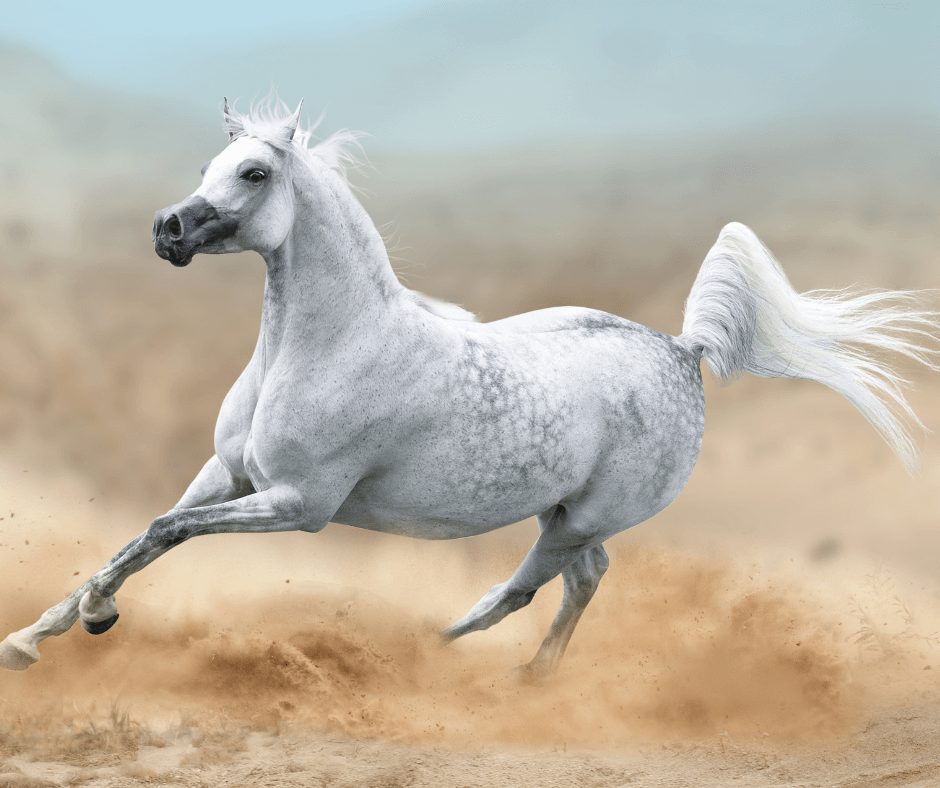
Ara­bi­an hors­es can be lov­ing, loy­al, respon­sive com­pan­ions. Many old­er Ara­bi­ans make love­ly fam­i­ly and begin­ner hors­es, whether rid­den or dri­ven in har­ness­es. They tend to be more peo­ple-ori­ent­ed than some oth­er breeds and enjoy the com­pa­ny of their human families.
Seize Your Life Today staff

A group of professional writers with more than ten years of experience as freelance writers in five different categories: - Kids & Parenting - Health & Fitness - Beauty & Fashion - Arabian Corner - Solid Tips

Recent Posts

Boosting Your Ecommerce Site: Why Exhibiting At Events Is So Good For Online Businesses

Do you run an ecommerce business? Then you already know just how accessible, innovative, and…

9 months ago

4 Tips to Supercharge Your Nutrition in 2026

As the new year rolls around, it’s time to start thinking about your goals for…

9 months ago

Beard Trimmers: Can You Take Them With You When You Fly?

Planning to travel and unsure if you can bring a beard trimmer on a plane?…

2 years ago

Best Baby Carrier for Back Pain: Comfort and Support for Parents on the Go

Carrying your baby shouldn't hurt your back. In this guide, we explore the best baby…

2 years ago

Unlock Your Musical Potential: The Benefits of Contemporary Music Courses with Michael Avery in Australia

Music lessons offer numerous benefits, from enhancing creativity and building confidence to providing a personalized…

2 years ago

How to Effectively Clear Blocked Downpipes

Blocked downpipes are a common issue for homeowners, particularly in Australia, where heavy rains can…

2 years ago