Health & Fitness

Hints for Safe Exercise During Pregnancy

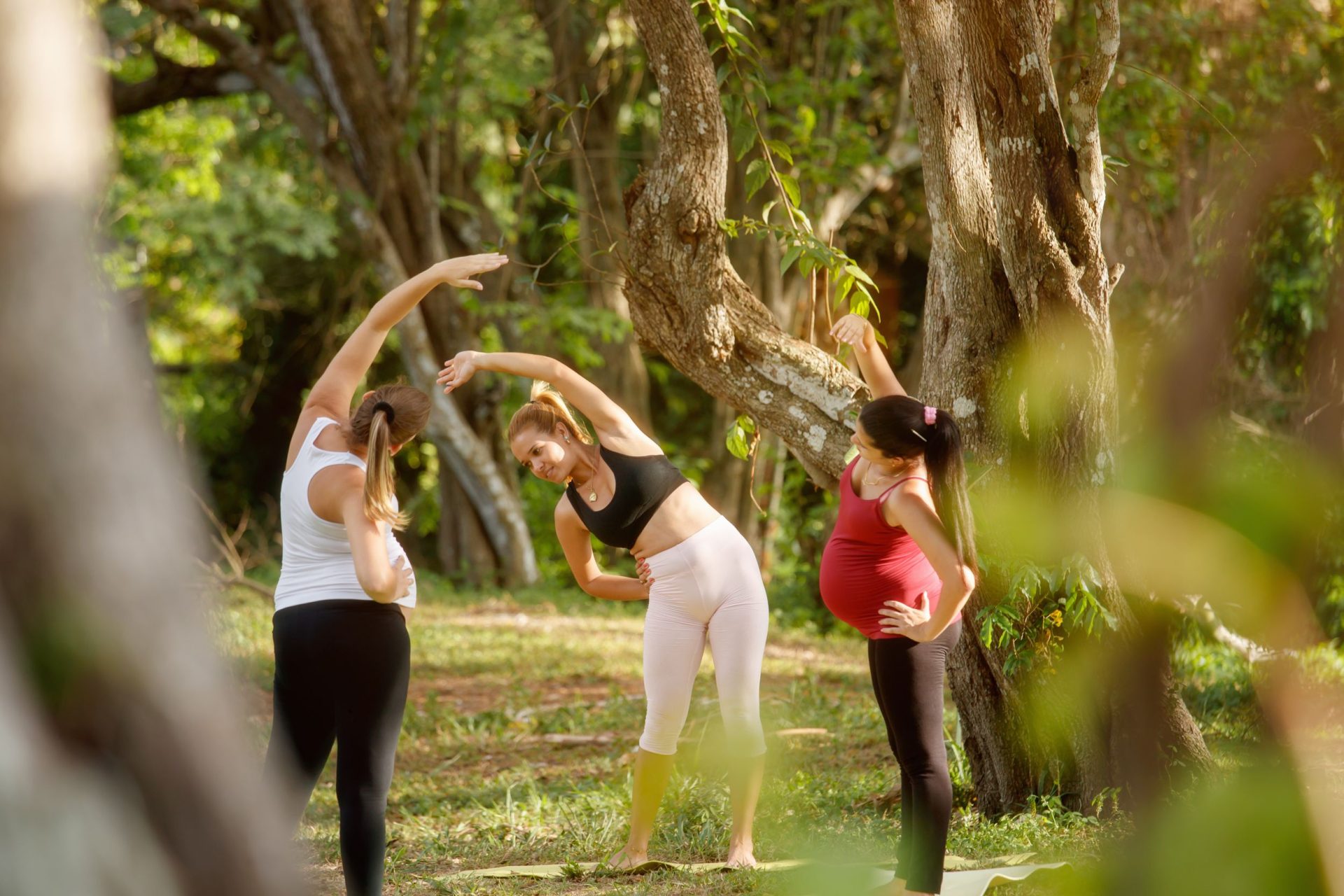
Main­tain­ing phys­i­cal health and stay­ing active dur­ing preg­nan­cy are vital­ly impor­tant for moth­ers and their unborn children. A healthy moth­er is more like­ly to give birth to a healthy child and to recov­er appro­pri­ate­ly after child­birth, so stay­ing active dur­ing preg­nan­cy must be encouraged. For women who are deter­mined to stay active for nine months, and want to do so safe­ly, this arti­cle out­lines gen­er­al advice and spe­cif­ic exer­cis­es to fol­low while car­ry­ing the most pre­cious gift of all! Every woman’s body is dif­fer­ent, and every mother’s lev­el of phys­i­cal fit­ness before preg­nan­cy will dif­fer, so the amount and type of exer­cise to engage in will dif­fer from per­son to person. One con­stant for all moth­ers-to-be is to con­sult a med­ical pro­fes­sion­al at the begin­ning of the preg­nan­cy for advice on the exact type of phys­i­cal activ­i­ty to sus­tain and to con­tin­ue con­sult­ing with experts until the baby is born. As a gen­er­al rule, preg­nant women should aim to main­tain their pre-preg­nan­cy lev­el of fit­ness, instead of attempt­ing to reach peak fit­ness levels.

- A New Body

Every preg­nant woman will expe­ri­ence changes in their body dur­ing preg­nan­cy. These will feel for­eign to new moth­ers and will affect which types of phys­i­cal activ­i­ty are safe or pos­si­ble to car­ry out.

- Weight gain

Women will gain weight when they are car­ry­ing a child. That makes it more dif­fi­cult to do exer­cis­es such as jog­ging and run­ning, and oth­er load-bear­ing activities. Bal­ance and coor­di­na­tion are also adverse­ly affect­ed by the weight gain dur­ing preg­nan­cy, so activ­i­ties that require these ele­ments will have to be put in hold until after the birth.

- Joints

Anoth­er spe­cif­ic change is the loos­en­ing of the lig­a­ments and joints around the pelvic region. This cre­ates dis­com­fort or even dan­ger for exer­cis­es which involve a quick change of direc­tion, jump­ing or jerk­ing movements. Fur­ther phys­i­o­log­i­cal changes include an increase in rest­ing heart rate and a decrease in blood pressure. Due to the change in the rest­ing heart rate, it is rec­om­mend­ed that women do not gen­er­al­ly overex­ert them­selves. Mean­while, the decrease in blood pres­sure may leave moth­ers-to-be light-head­ed and dizzy, and thus rule out activ­i­ties that require balance.

Don’t try this at home”

Let’s begin by examining exercises that health professionals do not recommend for pregnant women.

- Contact sports

Con­tact sports are sim­ply too dan­ger­ous for the unborn child. They height­en the risk of abdom­i­nal trau­ma, falls and joint pain. Sim­i­lar­ly, sports such as horse rid­ing, gym­nas­tics and ski­ing are not rec­om­mend­ed due to the like­li­hood of falling.

- Standing

Ask a woman who is preg­nant or has giv­en birth, and they will tell you that this advice is com­mon sense. Any­thing that feels so uncom­fort­able or painful should be avoid­ed.

- Heavyweight training

Max­i­mal iso­met­ric mus­cle con­trac­tions, which are com­mon in heavy weight train­ing, place a strain on the car­dio­vas­cu­lar and mus­cu­loskele­tal sys­tem and are there­fore not recommended.

- Holding your breath

If you find your­self not breath­ing dur­ing phys­i­cal activ­i­ty, you should stop imme­di­ate­ly, and preg­nant women should avoid hold­ing their breath for an extend­ed peri­od in activ­i­ties such as Yoga. Some Yoga pos­tures require hold­ing the breath, so instead, search for Yoga class­es that involve flow­ing move­ments and reg­u­lar changes of pos­ture in time with deep breathing.

- Abdominal exercises

While it is tempt­ing to start reclaim­ing your flat tum­my before the baby is even born, some abdom­i­nal exer­cis­es can be very uncom­fort­able and can lead to a con­di­tion called Dias­ta­sis rec­ti. There­fore, abdom­i­nal exer­cis­es might have to wait until some time after the big day. That said, a well-designed Pilates pro­gram can be beneficial.

- High altitude

Con­sult with an expert before con­sid­er­ing any exer­cise over 2,500 meters in alti­tude, and take care of any phys­i­cal activ­i­ty at high alti­tude. Increas­es in alti­tude reduce the amount of oxy­gen in the air and thus reduce the amount of oxy­gen sup­plied to the fetus. Alti­tude sick­ness is also a real risk for the mother.

- Be centred

Changes to a woman’s cen­ter of grav­i­ty dur­ing preg­nan­cy can be dan­ger­ous, and they are a fea­ture of sports such as ten­nis or squash.

- Scuba

Fetal decom­pres­sion sick­ness and con­gen­i­tal dis­abil­i­ties are poten­tial side-effects of Scu­ba div­ing, and experts advise no scu­ba div­ing at all dur­ing pregnancy.

- Lying down

Moth­ers-to-be should avoid lying on their stom­ach, at any time, and avoid lying in their back after the first trimester, as this affects blood flow to the fetus.

Let’s now take a look at safe exercises that can keep a woman healthy during pregnancy:

First­ly, the dura­tion and inten­si­ty of each spe­cif­ic form of phys­i­cal activ­i­ty will dif­fer for each per­son. Every woman’s phys­i­o­log­i­cal com­po­si­tion, and pre-preg­nan­cy lev­el of fit­ness, will deter­mine how they should exer­cise while car­ry­ing their child. As men­tioned above, it is impor­tant to con­sult a med­ical expert for the fea­tures of an exer­cise rou­tine designed specif­i­cal­ly for an individual. One spe­cif­ic hint for deter­min­ing the cor­rect lev­el of inten­si­ty dur­ing phys­i­cal activ­i­ty is called the talk test. Put sim­ply, if you can­not sus­tain a basic con­ver­sa­tion while exer­cis­ing, because you’re out of breath, the inten­si­ty lev­el is too high. You should low­er the inten­si­ty until you can talk comfortably.

- Socialize

The talk test is also anoth­er rea­son why exer­cis­ing social­ly can be ben­e­fi­cial. Not only can your exer­cise part­ners help you find the right lev­el of inten­si­ty for your work­out, but they can also help moti­vate you to get off the couch and turn the exer­cise into some­thing fun. The most rec­om­mend­ed phys­i­cal activ­i­ties are those with a low risk of falling, injury or joint dam­age and those that do not require changes of direc­tion or to the cen­ter of grav­i­ty. They are exer­cis­es that are low impact, do not depend on bal­ance and demand a rea­son­able lev­el of exertion.

- Warm-up

Every form of exer­cise should fol­low a warm-up of gen­tle stretch­ing and move­ment, which cre­ates a slight increase in the heart rate.

- Pelvic floor exercises

These will help you dur­ing the birth, and after­ward, and they include squeez­ing your bot­tom like you’re stop­ping a poo, squeez­ing to halt the flow of wee, or squeez­ing as if you’re grip­ping a tam­pon in your vagina.

- Walking

Brisk walk­ing is a low impact and increas­es the heart rate, thus pro­vid­ing an appro­pri­ate­ly light form of car­dio­vas­cu­lar exer­cise. It is safe on the joints and pre­vents a neg­li­gent risk of falling. Bet­ter still, it can be enjoyed almost any­where and with friends.

- Light jogging

Didn’t you say no jogging? Well, yes. How­ev­er, light jog­ging can be ben­e­fi­cial only for women who did reg­u­lar run­ning before falling preg­nant, and it should be less intense and fre­quent than the run­ning rou­tine before pregnancy.

- Weight training

Didn’t you also warn against weight training? Again, yes. How­ev­er, light resis­tance train­ing is rec­om­mend­ed for expect­ing moth­ers. Just like jog­ging, this should only be an option for women who did weight train­ing before preg­nan­cy, and the weights should be mod­er­ate. Women who have nev­er done weight train­ing should not begin dur­ing pregnancy. Weight train­ing has been found to improve strength and flex­i­bil­i­ty when done cor­rect­ly. It is thought to be par­tic­u­lar­ly ben­e­fi­cial for cer­tain areas of the body, such as the low­er back.

- Water sports

Not only do water sports pro­mote car­dio­vas­cu­lar fit­ness and gen­er­al strength, but they also offer women a feel­ing of weight­less­ness and a break from the aches and pains of child­bear­ing. Fur­ther­more, there is a decreased risk of mus­cle strain, and many women say it pro­vides them with relief from back pain and leg swelling. Swim­ming is known to be one of the best all-body work­outs, and it is impact-free and great for car­dio­vas­cu­lar fitness. What’s more, there is no risk of over­heat­ing. Oth­er water-based work­outs that can raise your heart rate and main­tain your health include water aer­o­bics and water walk­ing. Many local aquat­ic cen­ters now offer fit­ness class­es designed specif­i­cal­ly for expec­tant mothers.

- Stationary cycling

This is not a spin class. This is not a sweat-induc­ing, high-tem­po work­out with tech­no music and dis­co lights. This should be a mod­er­ate exer­cise that can improve leg strength and car­dio­vas­cu­lar fitness. The beau­ty of sta­tion­ary cycling is that it negates the loss of bal­ance that preg­nant women can expe­ri­ence, espe­cial­ly dur­ing the third trimester.

- Gardening

Plant­i­ng, prun­ing, dig­ging, har­vest­ing and admir­ing the beau­ty of nature can also be a healthy form of out­door activ­i­ty. It is also a def­i­nite form of inci­den­tal exer­cise that is rec­om­mend­ed for gen­er­al phys­i­cal and men­tal wellbeing.

Final Thoughts

Stay­ing phys­i­cal­ly active dur­ing preg­nan­cy is impor­tant and pos­si­ble. Con­sult­ing a med­ical pro­fes­sion­al and seek­ing the right advice will set women up with an exer­cise regime that suits their own body and lev­el of fitness. It should include exer­cis­es such as walk­ing, light jog­ging, light resis­tance train­ing, sta­tion­ary cycling and water sports. Fol­low­ing a well-designed exer­cise rou­tine, a healthy diet and a pre-natal plan can ensure that the new­born child and the moth­er remain hap­py and healthy 🙂
Seize Your Life Today staff

A group of professional writers with more than ten years of experience as freelance writers in five different categories: - Kids & Parenting - Health & Fitness - Beauty & Fashion - Arabian Corner - Solid Tips

Recent Posts

Boosting Your Ecommerce Site: Why Exhibiting At Events Is So Good For Online Businesses

Do you run an ecommerce business? Then you already know just how accessible, innovative, and…

9 months ago

4 Tips to Supercharge Your Nutrition in 2026

As the new year rolls around, it’s time to start thinking about your goals for…

9 months ago

Beard Trimmers: Can You Take Them With You When You Fly?

Planning to travel and unsure if you can bring a beard trimmer on a plane?…

2 years ago

Best Baby Carrier for Back Pain: Comfort and Support for Parents on the Go

Carrying your baby shouldn't hurt your back. In this guide, we explore the best baby…

2 years ago

Unlock Your Musical Potential: The Benefits of Contemporary Music Courses with Michael Avery in Australia

Music lessons offer numerous benefits, from enhancing creativity and building confidence to providing a personalized…

2 years ago

How to Effectively Clear Blocked Downpipes

Blocked downpipes are a common issue for homeowners, particularly in Australia, where heavy rains can…

2 years ago