Kids Corner

Help Baby Breathe More Easily: Should You Buy A Humidifier For The Nursery?

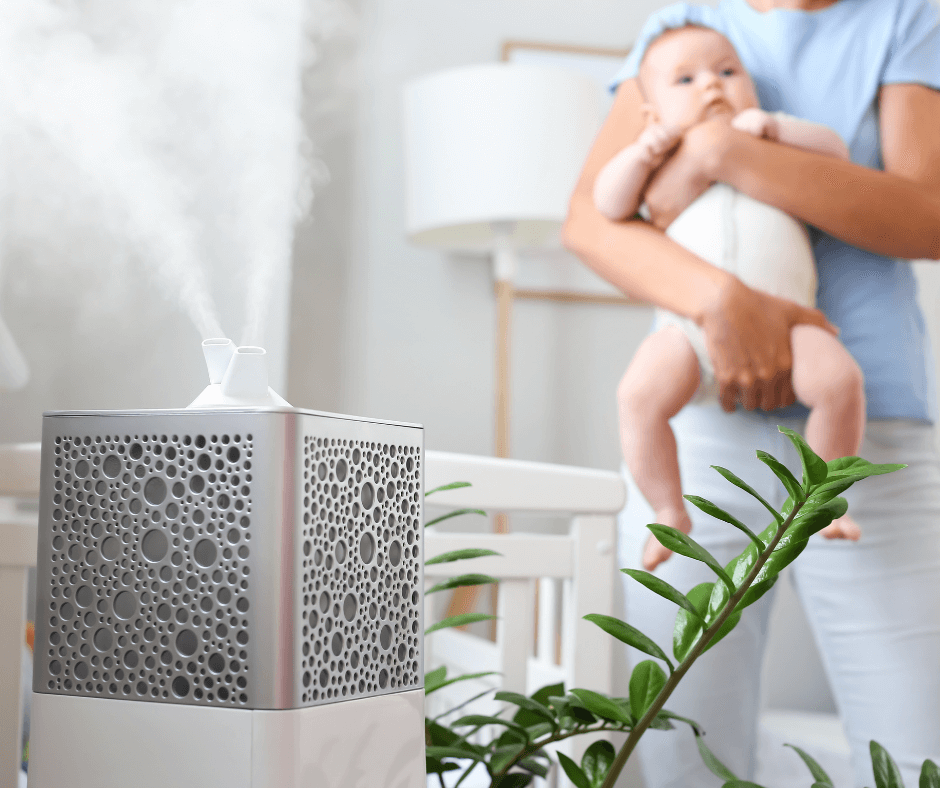
Do Babies Need a Humid­i­fi­er? Noth­ing makes par­ents hap­pi­er than know­ing their baby is get­ting a lot of sol­id, deep sleep. Sleep is a key ingre­di­ent of well-being, and a baby who sleeps sound­ly at night is far like­li­er to be a hap­py baby. But babies often come down with colds and minor upper res­pi­ra­to­ry infec­tions as they grow and devel­op, par­tic­u­lar­ly in the win­ter. When the fur­nace is run­ning 24 hours a day, the air in your home can dry out bad­ly, which can be tough on infants. The solu­tion is often putting a humid­i­fi­er in the nurs­ery, which helps your baby breathe more easily. How else do humid­i­fiers work to make your baby more com­fort­able? Are they as ben­e­fi­cial as peo­ple say? Are there any drawbacks? This arti­cle offers tips for choos­ing a humid­i­fi­er for your baby’s room, tips for mak­ing it work most effi­cient­ly, and where you should place it.  For more info on this help­ful piece of equip­ment and how it can ben­e­fit your baby, read on!

1- First, Do Your Research

There are sev­er­al types of humid­i­fiers on the mar­ket today, includ­ing cool mist or warm mist mod­els. Before going shop­ping to buy one, do a deep dive into the vari­eties and mod­els avail­able, includ­ing the kind of mist they emit and what sizes they come in. Your choice should be deter­mined, in part, by how much room is avail­able in the nurs­ery. It’s fine to begin this research online, but you should check them out at the store before buy­ing. Spe­cial­ty stores, those that specif­i­cal­ly car­ry heat­ing and cool­ing equip­ment, usu­al­ly have the widest array of prod­ucts for you to choose from.

2- Talk To Your Pediatrician If You’re Unsure Whether To Buy One

If your baby has a chron­ic con­di­tion relat­ed to the res­pi­ra­to­ry tract, talk to your doc­tor. Ask them what they rec­om­mend for deal­ing with your baby’s res­pi­ra­to­ry issues. Should it be a warm mist humid­i­fi­er, for exam­ple? Do they think it’s a good idea to install one at all? If they rec­om­mend one, do they sug­gest you run it year-round or only when your baby is stuffed up? Your pedi­a­tri­cian knows your baby’s health, so get­ting their opin­ion will help you feel more cer­tain you’ve made the right choice.

3- Is The Nursery Roomy Enough?

When you install a humid­i­fi­er in the baby’s room, be sure it’s placed, so that moist mist does not blow direct­ly onto the bed or the baby. While mois­ture in the envi­ron­ment is suit­able for your baby, hav­ing it blow right into their face is def­i­nite­ly not. Choose a mod­el of the appro­pri­ate size – big enough, so the mist cov­ers the entire room’s square footage, but not so big that it cre­ates a drafty breeze into your baby’s face. Plac­ing it in a spot that lets it blow air into the whole room but not direct­ly in the path of the bed or crib is the ide­al place to put the humidifier.

4- Be Sure Minerals, Mildew & Mold Don’t Build Up

Once you pur­chase a humid­i­fi­er, it’s cru­cial that you keep it clean. Check the man­u­al’s direc­tions on clean­ing it and what solu­tion you should use. Often warm water and soap or a mild deter­gent do the trick. And don’t for­get to unplug it before you begin!

5- Some Humidifiers Come With Washable Filters

Obvi­ous­ly, the goal is to ensure that the emit­ting water mois­ture is as clean and germ-free as pos­si­ble. To that end, humid­i­fiers have fil­ters, some dis­pos­able and some washable. Humid­i­fiers that come with wash­able fil­ters are usu­al­ly a lit­tle more cost­ly upfront but may save you mon­ey over time because you’re not replac­ing fil­ters as fre­quent­ly. This is one fac­tor you should inves­ti­gate thor­ough­ly before mak­ing your selection. Any humid­i­fi­er you pur­chase nowa­days is bound to have a fil­ter sys­tem. The key is know­ing which one is best for your home and your baby.

6- Choose One With a Built-In Humidistat

A humidi­s­tat informs you of the lev­el of humid­i­ty in the air, and most mod­ern humid­i­fiers are equipped with one. Pedi­a­tri­cians rec­om­mend baby rooms stay at a 50 per­cent mois­ture lev­el. Choos­ing a humid­i­fi­er with this fea­ture built-in elim­i­nates guess­work – a quick check each morn­ing lets you know whether the unit needs a top-up.

7- Don’t Put Scents Or Other Additives Into The Water

When a baby is stuffy and hav­ing dif­fi­cul­ty breath­ing, it’s tempt­ing to add (for exam­ple) men­thol of some kind in an attempt to increase the effec­tive­ness of the humid­i­fi­er. But experts say no to this. Most pedi­a­tri­cians and oth­er doc­tors say that unadul­ter­at­ed warm mist is fine for the baby and does­n’t need an addi­tive. These don’t cause any harm, but they aren’t nec­es­sary and will cause you to have to clean the humid­i­fi­er more frequently.

Benefits Of a Humidifier In Your Baby’s Room:

There are many! Here is a roundup of how much good a humid­i­fi­er can do in your nursery.

1- The Steam Makes Breathing Easier

It isn’t just babies with res­pi­ra­to­ry issues who ben­e­fit from the warm mois­ture in the air. All babies ben­e­fit, par­tic­u­lar­ly when their envi­ron­ment is dry in the win­ter­time. You know that won­der­ful feel­ing you get in a steam room or sauna at the gym after a tough workout? You sit and breathe in the moist air, and it feels like your lungs have opened wide! That’s the feel­ing your baby gets once they begin inhal­ing the warm, moist air cre­at­ed by a humid­i­fi­er. And when they breathe more eas­i­ly, you do too.

2- Humid Air Softens Skin

Babies have the soft­est skin on earth, don’t they? The expres­sion “smooth as a baby’s bum” is right on! But even lit­tle ones can feel the effects of dry air on their skin, and that’s what a humid­i­fi­er com­bats. Because the humid­i­fi­er con­verts warm water into steam, soothes, soft­ens and reduces itchiness. Babies are less apt to scratch at their skin when it does­n’t feel irri­tat­ed and dry. This goes for chapped lips, too – a humid­i­fi­er relieves flaky, dry lips and soft­ens the skin under a baby’s nose and around their mouths.

3- The Sound Helps The Baby Sleep

In addi­tion to all of the phys­i­cal ben­e­fits for your baby, the hum of a humid­i­fi­er can help them nod off. Just like cer­tain sounds help adults fall asleep – a fan run­ning, a clock tick­ing – babies are lulled to sleep by cer­tain sounds too. The low, steady sound of a humid­i­fi­er oper­at­ing masks noise from oth­er rooms and cre­ates a kind of aur­al cocoon that helps your baby block out those oth­er sounds.

4- Humidifiers Don’t Only Benefit Sick Babies

Some par­ents plug in a humid­i­fi­er when their infant gets sick with a cold or lung infec­tion. How­ev­er, child­care experts and sleep spe­cial­ists agree that leav­ing a humid­i­fi­er run­ning in the baby’s room is smart in all cas­es, not just when the baby is ill. The steam makes breath­ing eas­i­er, and it soothes their skin. And as every­one knows, a com­fort­able baby – whether they are sick or not – sleeps more sound­ly. And the more rest babies get, the more con­sis­tent and deep sleep they get each night, and the more rest par­ents get, too!

Our Final Thoughts

We did a lot of research into whether putting a humid­i­fi­er into your baby’s room is ben­e­fi­cial and worth the cost.  After all, humid­i­fiers don’t come cheap, and we want­ed to be sure we are rec­om­mend­ing a wise pur­chase for your baby’s room. The answer is yes – installing a humid­i­fi­er in your nurs­ery is def­i­nite­ly a good move. It can help your baby breathe more eas­i­ly, which in turn helps them sleep bet­ter and more sound­ly. It relieves dry, itchy win­ter skin and even eas­es chapped lips and flak­ing nasal pas­sages. If a baby’s nose dries out too much, it can occa­sion­al­ly cause nose bleeds. This is par­tic­u­lar­ly true in the cold win­ter months. Humid­i­fiers cost any­where from about $100 (USD) to as much as $1,000 for high­er-end mod­els. The cost depends, in part, on how big an area you want the humid­i­fi­er to cov­er. But ulti­mate­ly, the cash out­lay is well worth it because your baby will sleep bet­ter and more consistently. We know that all par­ents want their babies to be as com­fort­able as pos­si­ble. That’s why we think buy­ing a humid­i­fi­er for your nurs­ery is the best way to go. When they sleep bet­ter, moms and dads sleep bet­ter too, and that makes for a hap­pi­er and health­i­er family!
Seize Your Life Today staff

A group of professional writers with more than ten years of experience as freelance writers in five different categories: - Kids & Parenting - Health & Fitness - Beauty & Fashion - Arabian Corner - Solid Tips

Recent Posts

Boosting Your Ecommerce Site: Why Exhibiting At Events Is So Good For Online Businesses

Do you run an ecommerce business? Then you already know just how accessible, innovative, and…

9 months ago

4 Tips to Supercharge Your Nutrition in 2026

As the new year rolls around, it’s time to start thinking about your goals for…

9 months ago

Beard Trimmers: Can You Take Them With You When You Fly?

Planning to travel and unsure if you can bring a beard trimmer on a plane?…

2 years ago

Best Baby Carrier for Back Pain: Comfort and Support for Parents on the Go

Carrying your baby shouldn't hurt your back. In this guide, we explore the best baby…

2 years ago

Unlock Your Musical Potential: The Benefits of Contemporary Music Courses with Michael Avery in Australia

Music lessons offer numerous benefits, from enhancing creativity and building confidence to providing a personalized…

2 years ago

How to Effectively Clear Blocked Downpipes

Blocked downpipes are a common issue for homeowners, particularly in Australia, where heavy rains can…

2 years ago