Kids Corner

How to Help Children Suffering from Anxiety?

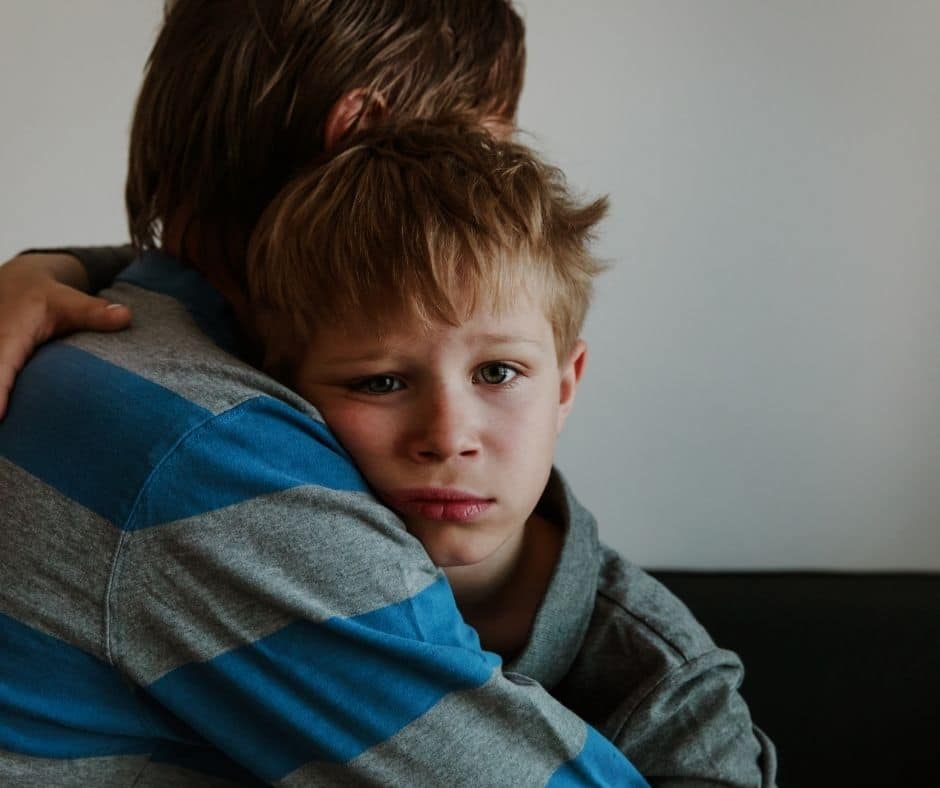
You would do any­thing for your child. Whether that child is your own flesh and blood, a rel­a­tive or a stu­dent under your care, you would go out of your way to make sure that the child is hap­py, safe and healthy.

How Do I Know There Is a Real Problem?

Anx­i­ety is a nor­mal part of child­hood, and every child goes through phas­es. The dif­fer­ence between a phase and an anx­i­ety dis­or­der is that a phase is tem­po­rary and usu­al­ly harmless. Chil­dren who suf­fer from an anx­i­ety dis­or­der expe­ri­ence fear, ner­vous­ness, shy­ness, and avoid­ance of places and activ­i­ties that per­sist despite par­ents, care­tak­ers, and teach­ers’ help­ful efforts. To help them, we also should dif­fer­en­ti­ate between two inter­change­able terms. Fear can be defined as a neg­a­tive emo­tion­al state trig­gered by the pres­ence of a stim­u­lus that has the poten­tial to cause imme­di­ate harm, while anx­i­ety can be defined as an emo­tion­al state in which the threat is not imme­di­ate­ly present but is anticipated. Both of these emo­tions are adap­tive and essen­tial for sur­vival. Fear and anx­i­ety are con­sid­ered dys­func­tion­al when inten­si­ty, dura­tion, and/or fre­quen­cy are not pro­por­tion­al to the elic­it­ing threat and cause inter­fer­ence, dis­abil­i­ties, impair­ment, and/or dis­tress that are judged clin­i­cal­ly excessive. Anx­i­ety dis­or­ders tend to become chron­ic and inter­fere with how your child func­tions at home or school to the point that your child becomes dis­tressed and uncom­fort­able and starts avoid­ing activ­i­ties or people. Unlike a tem­po­rary phase of fear, such as see­ing a scary movie and then hav­ing trou­ble falling asleep, reas­sur­ance and com­fort are not enough to help a child with an anx­i­ety dis­or­der get past their fear and anxiety.

What If That Child Suffered From Anxiety?

Yes, chil­dren suf­fer from anx­i­ety, and men­tal health issues such as this among chil­dren are start­ing to become more rec­og­nized and understood. This means that par­ents, care­givers, and teach­ers now have more resources avail­able to help chil­dren suc­cess­ful­ly deal with anx­i­ety periods. The term “anx­i­ety dis­or­der,”  in fact, refers to a group of men­tal ill­ness­es that includes gen­er­al­ized anx­i­ety dis­or­der (GAD), obses­sive-com­pul­sive dis­or­der (OCD), pan­ic dis­or­der, post­trau­mat­ic stress dis­or­der (PTSD), social anx­i­ety dis­or­der (also called social pho­bia), and spe­cif­ic pho­bias. Each anx­i­ety dis­or­der has spe­cif­ic symptoms. Remem­ber, it is always impor­tant to seek pro­fes­sion­al help when deal­ing with any health issue, includ­ing a men­tal health issue. Don’t take the bur­den upon your­self. Pro­fes­sion­als have the train­ing and expe­ri­ence to best deal with health prob­lems, and they can also help you as an adult to man­age your child’s anxiety.

The following strategies can help you to work with a child who is experiencing anxiety.

1- Acknowledgement

The first step to help­ing a child through anx­i­ety is acknowl­edg­ing that anx­i­ety is a gen­uine issue for chil­dren and seri­ous. It’s easy for many adults to think that a child’s anx­i­ety is just ‘a phase they’re going through or that their moods are either a nat­ur­al part of being a child or might even be put on for sym­pa­thy or attention. A com­bi­na­tion of typ­i­cal children’s behav­iours can sig­ni­fy anx­i­ety. Experts rec­om­mend that adults accept that chil­dren and teenagers suf­fer from anx­i­ety and that this needs to be acknowl­edged before it can be dealt with.

2- Knowing The Symptoms…

How do you know that your child is suf­fer­ing from anxiety? Symp­toms of anx­i­ety can be hard­er to spot in chil­dren than in adults, and young chil­dren and teenagers are often less like­ly to talk about their feel­ings. Also, they may be unable to artic­u­late their feel­ings and thoughts. How­ev­er, anx­i­ety could be present in chil­dren who dis­play the fol­low­ing symptoms: - Defi­ant behaviour - Stom­ach aches - Cry­ing - Tantrums and meltdowns - Headaches - Dif­fi­cul­ty sleeping - Frus­tra­tion - Being clingy - Using the toi­let frequently - Not eat­ing properly - Ten­sion and fidgeting - Find­ing it hard to concentrate - Phys­i­cal symptoms Pedi­atric anx­i­ety dis­or­ders are par­tic­u­lar­ly like­ly to occur in asso­ci­a­tion with somat­ic com­plaints (i.e., phys­i­cal symp­toms occur­ring in the absence of a ver­i­fied med­ical con­di­tion or symp­toms in excess of what would typ­i­cal­ly be expect­ed for a giv­en med­ical illness). Somat­ic symp­toms in chil­dren with anx­i­ety dis­or­ders can include com­plaints of chest pain, tachy­car­dia, and short­ness of breath, dizzi­ness, nau­sea, and vom­it­ing. Although symp­toms may vary, one of the most con­sis­tent­ly report­ed and debil­i­tat­ing symp­toms in anx­ious chil­dren is abdom­i­nal pain.

3- Seek Help

The next step in help­ing a child through anx­i­ety is to seek help. It is vital to teach­ing chil­dren to seek help and allow oth­er peo­ple to help them, and it is vital that their care­giv­er also allows them­selves to seek help. The first port of call is a health pro­fes­sion­al such as a psy­chol­o­gist or psy­chother­a­pist. Still, even a close friend, rel­a­tive or con­fi­dante can be valu­able in the process of help­ing a child over­come their anxiety.

4- Think Long-Term

The solu­tion to the prob­lem of child anx­i­ety may be hard to find. The process may be long, and adults should assume that the jour­ney out of anx­i­ety will take a long time. It may take months or years, and the process may have to revis­it in the future. Spe­cial­ist advice tells us that peo­ple who suf­fer from anx­i­ety once are more like­ly to suf­fer from anx­i­ety again in the future. This shouldn’t tell us to give up on a per­son. It should tell us that chil­dren with anx­i­ety need to be mon­i­tored and assist­ed in the long term.

5- Stay Busy

Par­ents and teach­ers know full well the val­ue of keep­ing chil­dren busy. We know that chil­dren begin to think and wor­ry most at the end of the day when they’re no longer engaged in con­struc­tive activ­i­ties or idle. There­fore, it helps keep the chil­dren par­tic­i­pat­ing in con­struc­tive activ­i­ties, which could be edu­ca­tion­al or pure­ly fun so that they are not left with too much time to think about their situation. At the same time, it is vital to avoid over­stim­u­lat­ing chil­dren with too many activ­i­ties and giv­ing them time to be bored and let their imag­i­na­tion wander. Find­ing the bal­ance between activ­i­ty and down­time can be tricky, but using your nat­ur­al intu­ition and your knowl­edge of the chil­dren under your care will enable you to do so.

6- Literature

Many use­ful books, web­sites and resources exist for adults assist­ing chil­dren with anx­i­ety. One such book is Child and Ado­les­cent Psy­chother­a­py, by Peter Blake. In the book, Blake out­lines the caus­es of men­tal health issues among chil­dren and teenagers and strate­gies for assist­ing chil­dren through these chal­leng­ing times. He divides the stages into assess­ment and ther­a­py. The assess­ment stage includes the refer­ral and ini­tial inter­view between the child and the health pro­fes­sion­al, the assess­ment of that indi­vid­ual child, devel­op­men­tal con­sid­er­a­tions, an assess­ment for the most appro­pri­ate ther­a­py, and work­ing with the child’s parents. The ther­a­py phase includes con­sid­er­a­tion of phys­i­cal and men­tal set­tings, inter­pre­ta­tion, the role and chal­lenges of play, and spe­cif­ic psy­chother­a­py prin­ci­ples such as trans­fer­ence, coun­ter­trans­fer­ence and termination. The lat­ter terms are high­ly aca­d­e­m­ic and the­o­ret­i­cal, so par­ents and care­givers don’t need a thor­ough under­stand­ing of them but can ben­e­fit from know­ing some of the tech­niques pro­fes­sion­als will use when guid­ing chil­dren through men­tal health challenges. One of the high­light­ed fea­tures of Blake’s book is the role of play and humour. Blake out­lines how ther­a­pists, and thus par­ents and oth­er adults, can be play­ful and humor­ous when work­ing with chil­dren of any age. He sup­ports this notion with many anec­dotes and exam­ples from his clin­i­cal work.

7- Thought-Noticing

A spe­cif­ic ther­a­peu­tic tech­nique is called thought-notic­ing. Thought-notic­ing is the process of know­ing when the mind is just wan­der­ing or day­dream­ing, and when the mind is focused on a person’s wor­ries or troubles. Chil­dren can be taught to notice when they are think­ing neg­a­tive thoughts and let­ting their minds dwell on their troubles. The tech­nique also shows chil­dren that they are only think­ing about their trou­bles; they are not actu­al­ly expe­ri­enc­ing those troubles. This is use­ful for remov­ing chil­dren from neg­a­tive thought process­es. Adults can teach chil­dren to ‘unhook’ from these neg­a­tive thoughts and bring their minds back to the present and back to reality. The val­ue of thought-notic­ing teach­es chil­dren to tune into their think­ing and dis­tance them­selves from these neg­a­tive thoughts, and men­tal­ly step back and real­ize that it is just one more neg­a­tive thought that will come and go. They don’t need to dwell on it.

8- Specific Techniques

To learn thought-notic­ing and oth­er pos­i­tive mind­sets, try some of these tech­niques with your child. Lay down with your child, get com­fy and lis­ten. Lis­ten to what­ev­er sounds you hear for about 2 min­utes, then com­pare what you each heard. Share how your minds wandered.

9- I am Listening…Tell Me More!

Nor­mal, dai­ly con­ver­sa­tions can also help you con­nect with your child and assess their state of mind. Dur­ing a con­ver­sa­tion, ask ques­tions such as: Is there any­thing that’s both­er­ing you? What did you do dur­ing recess? Who did you spend time with? You don’t talk about Peter any­more. Is every­thing okay? What was the most frus­trat­ing part of your day?

10- Give it a Name!

Anoth­er tech­nique that has proved suc­cess­ful is giv­ing the mind a name. Encour­age your child to give their mind a name, just like nam­ing a pet. Your child might call their mind, “Tom­my.” When you sense trou­ble build­ing up or would like to know what your child is feel­ing, you can ask them what Tom­my is thinking. This way, the child can step back from their thoughts and essen­tial­ly look at them­selves from above.

11- Reflection

Melt­downs, tantrums, switch­ing off, and intro­ver­sion can all occur for chil­dren with anx­i­ety. Inci­dents will hap­pen, and as unpleas­ant and stress­ful as they are, they can be a chance to get through to your child. After an inci­dent, reflect on what occurred. Once they have calmed down, ask ques­tions like: “What did your mind say to make you feel upset?” for younger chil­dren or  “can you tell me what you thought that made you feel so angry, frus­trat­ed, dis­ap­point­ed, etc.?” for old­er kids. Devel­op­ing these prac­ti­cal skills in chil­dren helps them to reach a point where they can self-regulate. Also known as metacog­ni­tion, self-reg­u­la­tion helps chil­dren be more suc­cess­ful, more resilient, and bet­ter able to prob­lem-solve because they are less like­ly to get caught up in their worries. Dr.Eman Sed­ky has med­ical­ly reviewed the article. 

Last but not least

Chil­dren under your care are like­ly to expe­ri­ence anx­i­ety at some point, and you can help. Rec­og­nize that anx­i­ety is a seri­ous issue among chil­dren, and iden­ti­fy com­mon symp­toms before seek­ing pro­fes­sion­al help. Stay pos­i­tive and real­ize that guid­ing the child through anx­i­ety is long and ready to sup­port the child in the long term. Con­sult trust­ed con­fi­dantes and expert lit­er­a­ture, then imple­ment strate­gies such as ‘nam­ing,’ thought notic­ing, play, reflec­tion, pro­vid­ing con­struc­tive activ­i­ties and reg­u­lar conversation. Apply­ing these tech­niques with pos­i­tiv­i­ty and patience will help you sup­port your child’s jour­ney out of anx­i­ety and into a fuller and hap­pi­er life! Resources:  https://adaa.org/sites/default/files/Anxiety%20Disorders%20in%20Children.pdf https://adaa.org/living-with-anxiety/children https://www.scielo.br/scielo.php?script=sci_arttext&pid=S1516-44462013000500003
Seize Your Life Today staff

A group of professional writers with more than ten years of experience as freelance writers in five different categories: - Kids & Parenting - Health & Fitness - Beauty & Fashion - Arabian Corner - Solid Tips

Recent Posts

Boosting Your Ecommerce Site: Why Exhibiting At Events Is So Good For Online Businesses

Do you run an ecommerce business? Then you already know just how accessible, innovative, and…

9 months ago

4 Tips to Supercharge Your Nutrition in 2026

As the new year rolls around, it’s time to start thinking about your goals for…

9 months ago

Beard Trimmers: Can You Take Them With You When You Fly?

Planning to travel and unsure if you can bring a beard trimmer on a plane?…

2 years ago

Best Baby Carrier for Back Pain: Comfort and Support for Parents on the Go

Carrying your baby shouldn't hurt your back. In this guide, we explore the best baby…

2 years ago

Unlock Your Musical Potential: The Benefits of Contemporary Music Courses with Michael Avery in Australia

Music lessons offer numerous benefits, from enhancing creativity and building confidence to providing a personalized…

2 years ago

How to Effectively Clear Blocked Downpipes

Blocked downpipes are a common issue for homeowners, particularly in Australia, where heavy rains can…


2 years ago