Health & Fitness

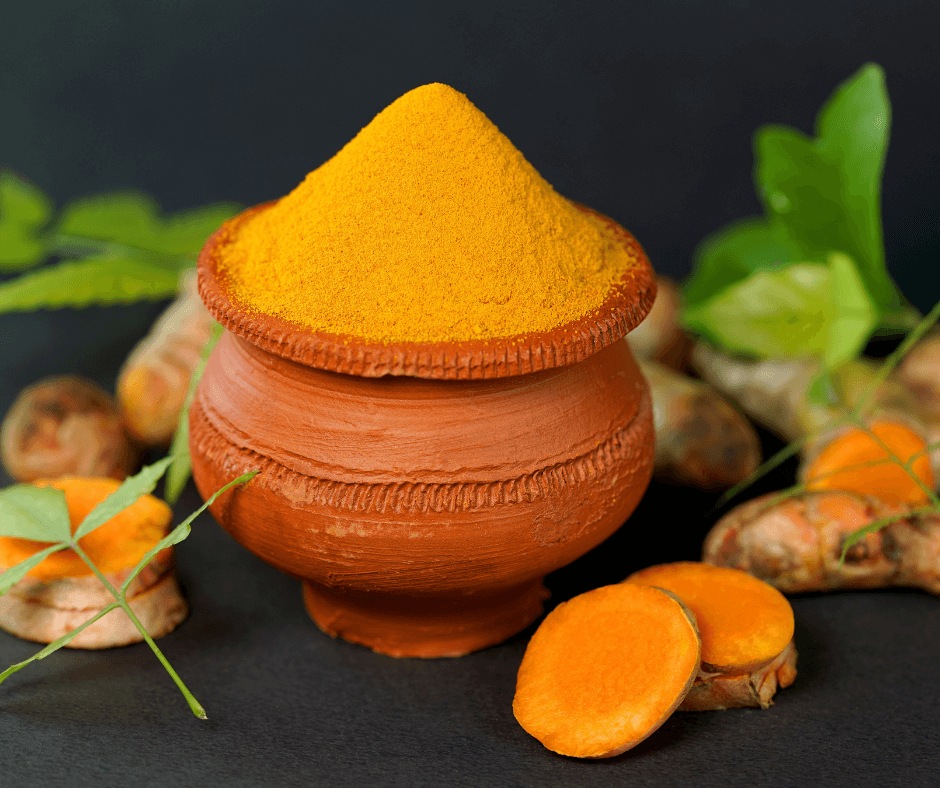
The Many Benefits Of Turmeric: This Ancient Spice Works Wonders In Your Body

Turmer­ic is one of life’s great culi­nary plea­sures, and it is one of the key ingre­di­ents in most cur­ries. It brings rich flavour, vibrant yel­low colour and an aro­mat­ic punch to many dish­es, but did you know that turmer­ic is real­ly good for you, too? Turmer­ic is not just about cook­ing any­more – it is prov­ing to have many health ben­e­fits that reach far out­side the kitchen. One day, tak­ing a turmer­ic sup­ple­ment may be as com­mon­place as tak­ing a vit­a­min com­plex each morning. It’s one of those spices every­one raves about because it tastes so good. But con­sum­ing turmer­ic has many advan­tages that go far beyond the palate. In this arti­cle, we offer some of turmer­ic’s most sig­nif­i­cant ben­e­fits to your body and brain and explain just how it might be an essen­tial spice in the fight against every­thing from arthri­tis to Alzheimer’s. Read on, then eat up!

What Are The Benefits Of Turmeric?

1- Turmeric Fights Inflammation

Stud­ies show that turmer­ic con­tains anti-inflam­ma­to­ry prop­er­ties and can fight the swelling and sore­ness that are such a big part of arthri­tis and oth­er joint dis­eases. Turmer­ic con­tains an active ingre­di­ent called cur­cum­in, and it’s a big part of what makes turmer­ic so effec­tive in the fight against inflammation. Even if you don’t have joint dis­ease now, eat­ing turmer­ic may help pre­vent it from devel­op­ing lat­er on in life. That’s accord­ing to nutri­tion­ists of all stripes, whether they lean holis­tic and organ­ic or are more tra­di­tion­al in their approach to food’s impact on disease.

2- It May Help In The Fight Against Heart Disease

Turmer­ic has many splen­did ben­e­fits, but low­er­ing cho­les­terol lev­els and fight­ing heart dis­ease may be one of its best. Of course, staving off heart dis­ease requires many things, includ­ing a com­mit­ment to get­ting reg­u­lar exer­cise, not drink­ing too much alco­hol, and keep­ing your weight with­in a healthy range. Eat­ing turmer­ic can be part of that mul­ti-pronged approach.

3- Turmeric Is Proving To Be Helpful In Fighting Dementia & Alzheimer’s Disease

We all wor­ry that our mem­o­ry will begin to slip one day, and some of that is inevitable as we age. But eat­ing prop­er­ly can have a sig­nif­i­cant impact on less­en­ing your chances of devel­op­ing age-relat­ed dementia. A key ele­ment of pre­vent­ing demen­tia is boost­ing what’s called BDNF, which stands for the brain-derived neu­rotroph­ic fac­tor. It is a type of pro­tein found both in the spinal cord and the brain, and essen­tial­ly, the high­er the lev­el, the better. Turmer­ic shows it can increase the BDNF, which is essen­tial in staving off Alzheimer’s and age-relat­ed demen­tia. Stud­ies done on rats have shown that cur­cum­in helps keep the neu­rons in the brain healthy and responsive. That means that mem­o­ry loss and demen­tia do not have to auto­mat­i­cal­ly be a con­se­quence of aging. Still, a lot of research needs to be done that includes human stud­ies, not only ani­mals. But the out­look is opti­mistic, so eat­ing turmer­ic may help you stay sharp no mat­ter what your age.

3- Turmeric Is Proving To Be Helpful In Fighting Certain Cancers

Research is ongo­ing into just how turmer­ic helps in the bat­tle against some can­cers, includ­ing breast, col­orec­tal and pan­cre­at­ic can­cer, but sci­en­tists are hope­ful. In ani­mal stud­ies, turmer­ic and cur­cum­in effec­tive­ly slow down and even pre­vent the devel­op­ment of can­cer­ous cells. They inter­fere with var­i­ous stages of can­cer cell devel­op­ment, there­by hin­der­ing the cells’ abil­i­ty to take root in the body. More research needs to be done in this field, but nonethe­less, the con­clu­sion is clear: eat­ing turmer­ic, or tak­ing it in a sup­ple­ment that also includes black pep­per, may help your body stave off cer­tain cancers.

4- Turmeric Can Help Prevent Diabetes

Sci­en­tists are learn­ing more every day about the link between Dia­betes pre­ven­tion and cer­tain foods. Turmer­ic, and specif­i­cal­ly the cur­cum­in con­tained in it, is prov­ing to help con­trol blood sug­ar lev­els, a key part of Dia­betes treatment. Turmer­ic also lessens fat­ty sub­stances in the blood, called blood lipids. So whether you have Dia­betes now or have been told by your physi­cian that you’re at risk of devel­op­ing it soon, eat­ing turmer­ic should be part of a nutri­tion-based approach to con­trol­ling that risk. Like oth­er dis­eases and the impact of turmer­ic, more work is need­ed, and research is ongo­ing, but thus far, sci­en­tists agree – eat­ing turmer­ic may be one holis­tic way of ensur­ing you don’t devel­op high blood sug­ar and Diabetes.

5- Turmeric May Help Treat Depression

As in treat­ing demen­tia, treat­ing depres­sion depends, in part, on boost­ing a patien­t’s BDNF lev­el; the link between turmer­ic and its impact on depres­sion is under review. Still, sci­en­tists are opti­mistic that this spice can nat­u­ral­ly alle­vi­ate mild to severe depres­sion symp­toms by increas­ing the BDNF, just as is nec­es­sary with demen­tia patients. So far, the research is compelling. In one study of 60 peo­ple with depres­sive dis­or­der, turmer­ic was shown to relieve symp­toms as effec­tive­ly as a pre­scrip­tion med­ica­tion did. How­ev­er, even researchers acknowl­edge that how turmer­ic works on depres­sion isn’t ful­ly clear. And so, a caveat here: it’s vital that no one stops tak­ing pre­scribed med­ica­tion and turns instead to a turmer­ic sup­ple­ment to treat depres­sion with­out con­sult­ing their physi­cian or men­tal health professional. This use for turmer­ic still has a way to go before sci­en­tists give it a stamp of approval to treat any depres­sion. Always talk to your doc­tor before stop­ping or start­ing any med­ica­tion for some­thing as seri­ous as depres­sion or any oth­er phys­i­cal or psy­cho­log­i­cal con­di­tion, for that matter.

6- Turmeric Can Help Skin Conditions

Any­one who copes with skin prob­lems like pso­ri­a­sis, acne or der­mati­tis knows they can be dispir­it­ing to live with. But because turmer­ic and cur­cum­in have anti-inflam­ma­to­ry, anti-oxi­dant and anti-micro­bial prop­er­ties, they may prove help­ful in the treat­ment of these skin dis­or­ders. Not enough work has been done study­ing this treat­ment, doc­tors agree, but research is ongoing. Stud­ies show that turmer­ic sup­ple­ments are fine even if you take high dos­es, but they are not meant to replace the med­ical treat­ment you may be under­go­ing. As we not­ed ear­li­er, no one should stop one treat­ment in favour of anoth­er with­out con­sult­ing their physi­cian or, in this case, their dermatologist.

7- Curcumin May Help Prevent Eye Deterioration

Age-relat­ed vision loss is some­thing that many peo­ple cope with as they move into their six­ties and beyond. Stud­ies show that cur­cum­in can slow the devel­op­ment of glau­co­ma, in par­tic­u­lar, and may even help treat dry mac­u­lar degen­er­a­tion (DMD) and oth­er eye problems. If your eye­sight goes, it can­not be retrieved, so tak­ing a turmer­ic sup­ple­ment with a high con­cen­tra­tion of cur­cum­in may help pre­vent that from hap­pen­ing. How­ev­er, as with oth­er phys­i­cal con­di­tions, sci­en­tists agree more work must be done to tru­ly con­firm the link between turmer­ic and its abil­i­ty to impede eye­sight deterioration.

8- Spices Like Turmeric May Protect From The Damage Of Free Radicals

We hear about these destruc­tive atoms all the time, which come from envi­ron­men­tal prob­lems like air pol­lu­tion. Turmer­ic is one of the best spices we have for fight­ing the dam­age free rad­i­cals do to your body, as they can neu­tral­ize bad enzymes and help pre­vent them from harm­ing you. Free rad­i­cals con­tribute to many dis­eases, includ­ing the can­cers men­tioned above. Mak­ing turmer­ic and cur­cum­in a reg­u­lar part of your diet is one way to fight the dam­age from free rad­i­cals all around you, like indus­tri­al chem­i­cals, cig­a­rette smoke and many others.

Final Thoughts

Research into the many ben­e­fits of eat­ing turmer­ic, mak­ing it a reg­u­lar part of your diet or tak­ing a sup­ple­ment packed with cur­cum­in is under­way all over the globe. How­ev­er, we do know this: turmer­ic is deli­cious, and it’s very, very good for you! Whether you cre­ate a cur­ry dish at home or order take­out from your favourite Indi­an restau­rant, be sure you have turmer­ic sev­er­al times a week. It turns out that turmer­ic is not just deli­cious; it’s a vital part of a holis­tic dietary approach to pre­vent­ing dis­eases of all types. And that just maybe the best thing about turmer­ic, in addi­tion to its fab­u­lous flavour!  
Seize Your Life Today staff

A group of professional writers with more than ten years of experience as freelance writers in five different categories: - Kids & Parenting - Health & Fitness - Beauty & Fashion - Arabian Corner - Solid Tips

Recent Posts

Boosting Your Ecommerce Site: Why Exhibiting At Events Is So Good For Online Businesses

Do you run an ecommerce business? Then you already know just how accessible, innovative, and…

9 months ago

4 Tips to Supercharge Your Nutrition in 2026

As the new year rolls around, it’s time to start thinking about your goals for…

9 months ago

Beard Trimmers: Can You Take Them With You When You Fly?

Planning to travel and unsure if you can bring a beard trimmer on a plane?…

2 years ago

Best Baby Carrier for Back Pain: Comfort and Support for Parents on the Go

Carrying your baby shouldn't hurt your back. In this guide, we explore the best baby…

2 years ago

Unlock Your Musical Potential: The Benefits of Contemporary Music Courses with Michael Avery in Australia

Music lessons offer numerous benefits, from enhancing creativity and building confidence to providing a personalized…

2 years ago

How to Effectively Clear Blocked Downpipes

Blocked downpipes are a common issue for homeowners, particularly in Australia, where heavy rains can…

2 years ago